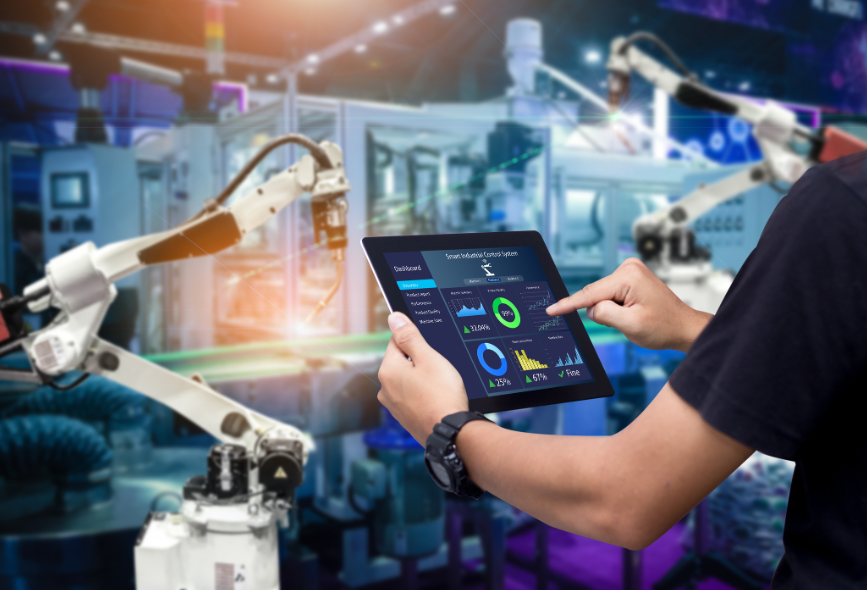
Technology is fundamentally altering the manufacturing landscape. Automation and robotics streamline processes, while the Internet of Things (IoT) enhances real-time monitoring and efficiency. Artificial intelligence provides actionable insights from vast data sets, enabling manufacturers to respond swiftly to changing demands. As these advancements reshape operations, they also impact workforce dynamics, necessitating new skills and continuous learning. Understanding these transformations is crucial for adapting to the future of manufacturing. What challenges and opportunities lie ahead?
The Rise of Automation and Robotics
As industries strive for increased efficiency and productivity, the rise of automation and robotics has emerged as a pivotal force reshaping the manufacturing landscape.
Robotic integration facilitates streamlined processes, enhancing automation efficiency and reducing operational costs. This transformation allows manufacturers to allocate resources strategically, fostering innovation and adaptability in a competitive market.
Ultimately, such advancements empower industries to pursue greater autonomy and operational freedom.
Embracing the Internet of Things (IoT)
A significant transformation in manufacturing is driven by the integration of the Internet of Things (IoT), which connects devices and systems to enhance operational efficiency.
Smart sensors enable real-time data collection, fostering predictive maintenance strategies that minimize downtime and optimize resource utilization.
As manufacturers embrace IoT, they gain unprecedented insights, empowering them to streamline processes and achieve greater operational freedom.
Leveraging Artificial Intelligence for Enhanced Decision-Making
Enhanced decision-making in manufacturing is increasingly reliant on the capabilities of artificial intelligence (AI), which offers profound insights derived from vast amounts of data.
By employing predictive analytics, organizations can forecast trends and optimize operations.
Furthermore, effective data integration allows for seamless information flow, enabling manufacturers to respond swiftly to market demands, thereby enhancing operational efficiency and maintaining competitive advantage in a rapidly evolving landscape.
See also: How Smart Cities Use Technology
The Impact on Workforce Dynamics and Skills Development
While technology continues to reshape the landscape of manufacturing, its influence on workforce dynamics and skills development is profound.
Reskilling initiatives have become essential, fostering workforce adaptability in response to evolving technological demands. As automation and advanced systems integrate into operations, a shift towards continuous learning emerges, empowering employees to navigate change effectively and enhancing overall productivity within the manufacturing sector.
Conclusion
In the evolving landscape of manufacturing, technology serves as both a catalyst for unprecedented efficiency and a disruptor of traditional job roles. While automation and IoT streamline processes and enhance productivity, they simultaneously challenge the workforce to adapt through continuous learning and reskilling. The juxtaposition of enhanced operational capabilities against the need for a skilled workforce underscores a critical tension: the balance between technological advancement and human adaptability will define the future of manufacturing.