Technology is reshaping everyday life in significant ways. Smart devices enhance home convenience and energy efficiency. Meanwhile, digital platforms facilitate instant communication and community building. AI integration streamlines daily tasks, while innovative tools redefine workspaces, fostering collaboration. Each of these advancements contributes to a more autonomous lifestyle. However, the implications of these transformations extend beyond mere convenience. They raise questions about privacy, dependency, and the future of human interaction. What lies ahead in this evolving landscape?
The Rise of Smart Technology in Homes
As technology continues to evolve, smart devices have increasingly infiltrated households, transforming the way individuals interact with their living environments.
Smart appliances, integral to home automation systems, empower users to optimize energy consumption and enhance convenience. This shift not only streamlines daily tasks but also fosters a sense of autonomy, allowing individuals to customize their spaces in alignment with personal preferences and lifestyles.
Enhancing Communication Through Digital Platforms
While traditional communication methods often relied on face-to-face interactions or written correspondence, the advent of digital platforms has revolutionized the way individuals connect.
Video conferencing enables real-time collaboration across distances, fostering relationships that transcend geographical barriers.
Meanwhile, social media provides an instant outlet for sharing thoughts and experiences, empowering users to engage with diverse communities and express their identities freely.
The Role of AI in Daily Activities
Artificial intelligence has seamlessly integrated into daily activities, transforming mundane tasks into efficient processes that enhance productivity and convenience.
Personal assistants, powered by AI, manage schedules and provide timely reminders, while predictive analytics anticipate individual needs and preferences.
This technology not only saves time but also empowers users, allowing them to reclaim moments throughout their day, fostering a sense of freedom and control.
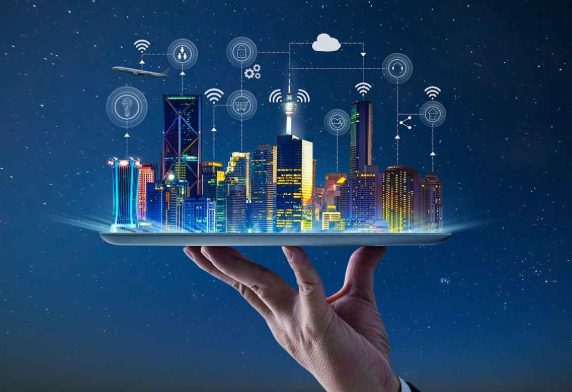
See also: How Smart Cities Use Technology
Transforming Workspaces With Innovative Tools
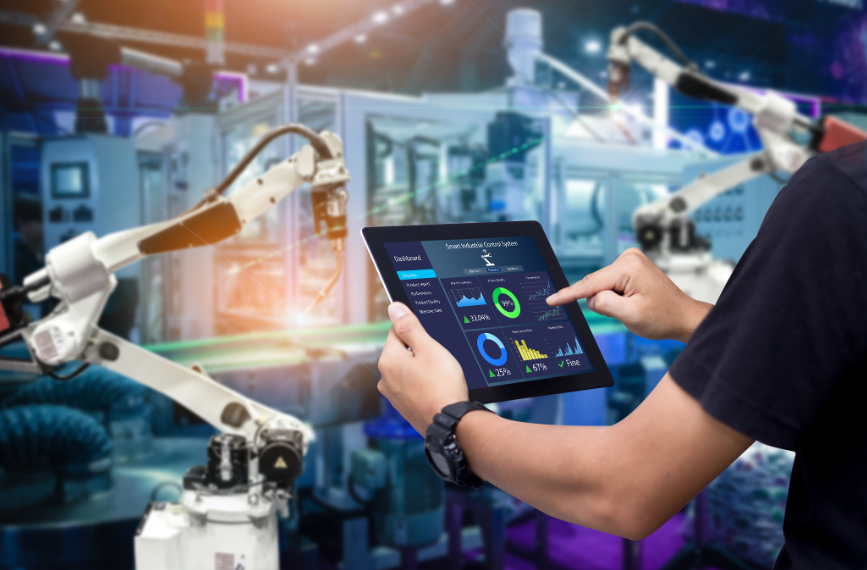
Innovative tools are reshaping workspaces by enhancing collaboration and streamlining processes, thereby fostering a more dynamic and productive environment.
Remote collaboration platforms and workspace automation technologies empower teams to work efficiently, regardless of location.
As organizations embrace these advancements, they cultivate an agile culture, allowing for greater flexibility and creativity, ultimately leading to improved outcomes and employee satisfaction in the modern workplace.
Conclusion
In conclusion, technology stands as both a catalyst for convenience and a challenge to traditional norms. While smart devices streamline daily routines, they also raise questions about privacy and dependence. Digital platforms foster connections among diverse communities, yet they can lead to isolation in a hyperconnected world. AI enhances productivity, yet it prompts concerns about job displacement. As innovative tools reshape workspaces, they offer flexibility while demanding adaptability. Ultimately, technology’s dual nature shapes the ever-evolving landscape of everyday life.